


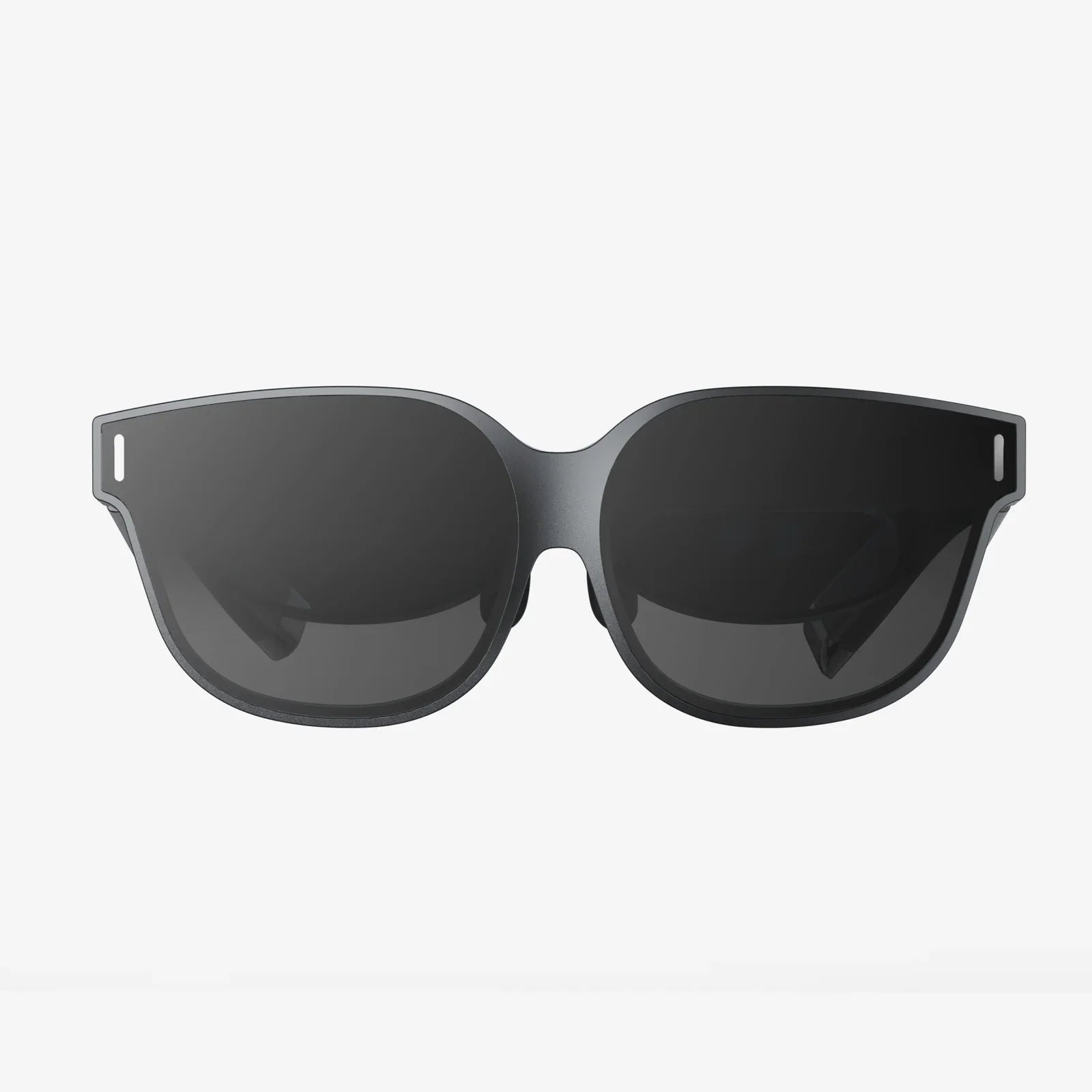
Imagine stepping into a flagship store on another continent without leaving your living room, trying on a full outfit in a digital fitting room that knows your size better than you do, or placing a virtual replica of a new sofa directly into your actual apartment to see if it fits. This is no longer the stuff of science fiction; it is the rapidly materializing present of retail, powered by the explosive growth of the virtual reality market. The figures associated with this technological revolution are staggering, pointing not to a fleeting trend but to a fundamental and permanent shift in how consumers interact with brands and products. The virtual reality in retail market size is not just a metric for investors; it is a direct measure of an industry hurtling towards an immersive future, and understanding its scope is key to understanding the next decade of commerce.
The Current Landscape: Quantifying the Immersive Revolution
To grasp the magnitude of this shift, one must first look at the numbers. The global virtual reality in retail market size has been on a steep, upward trajectory. While estimates vary between leading market research firms, the consensus paints a picture of an industry experiencing compound annual growth rates (CAGR) well into the double digits. Recent comprehensive analyses project the market, valued in the billions just a few years ago, to multiply several times over before the end of the decade. This growth is fueled by a powerful convergence of factors: increasingly affordable and sophisticated hardware, widespread high-speed internet connectivity, and a post-pandemic consumer base that is more comfortable than ever with digital and hybrid experiences.
The market's expansion is not uniform across the globe. North America, with its robust technological infrastructure and high consumer adoption rates, currently represents the largest share of the virtual reality in retail market size. However, the Asia-Pacific region is anticipated to witness the fastest growth, driven by massive e-commerce markets, a tech-savvy population, and significant investments in digital innovation from both established corporations and agile startups. Europe follows closely, with strong initiatives in fashion, automotive, and home goods retail leveraging immersive tech.
Key Drivers Propelling the Market Forward
The staggering projections for the virtual reality in retail market size are not arbitrary; they are the direct result of several powerful, interconnected drivers solving persistent retail challenges.
The Insatiable Demand for Enhanced Customer Experience
In an era where convenience and experience are the primary differentiators, VR offers an unparalleled value proposition. It directly addresses two of the most significant pain points in traditional and online shopping: the inability to try before you buy and the lack of engagement. Virtual showrooms and stores provide a "wow" factor that flat web pages cannot match, dramatically increasing dwell time and emotional connection with a brand. This experiential layer is becoming a critical tool for customer acquisition and retention, directly contributing to market growth.
Bridging the Gap Between Online and Offline
Virtual reality is the ultimate tool for creating a seamless omnichannel journey. A customer can discover a product on social media, explore it in a hyper-realistic VR environment on a brand's app, and then choose to have it delivered or pick it up in a physical store. This fluidity eliminates friction and empowers the consumer, making the shopping process more intuitive and satisfying. Retailers investing in this unified commerce approach are seeing higher conversion rates and lower return rates, a key performance indicator fueling further investment and market expansion.
The Powerful Data Analytics Engine
Beyond the consumer-facing spectacle, VR provides retailers with a treasure trove of invaluable data. Within a virtual store, every action can be measured: which products customers pick up, how long they look at them, the paths they take through the store, and what they ignore entirely. This level of behavioral analytics was previously impossible to gather at scale online and incredibly difficult in a physical setting. This data allows for unprecedented optimization of product placement, store layout, marketing messaging, and inventory planning, creating a powerful internal driver for adopting VR technology and expanding its market footprint.
Significant Reduction in Returns
The e-commerce industry's Achilles' heel has long been the high rate of product returns, which erodes profitability and creates logistical nightmares. VR technology directly mitigates this by giving customers a much more accurate understanding of what they are purchasing. Whether it's seeing the true color and texture of a fabric, understanding the scale of a piece of furniture in their own space via augmented reality overlays, or ensuring the fit of an item, immersive experiences build confidence in purchase decisions. This tangible reduction in return rates provides a clear and compelling return on investment for retailers, pushing them to adopt VR solutions and further inflate the overall market size.
Applications Reshaping the Retail Sphere
The virtual reality in retail market size is being built on the back of several groundbreaking applications that are moving from pilot programs to core components of retail strategy.
Virtual Try-On and Fitting Rooms
Perhaps the most prominent application, virtual try-ons are revolutionizing apparel, accessories, and even cosmetics retail. Shoppers can use their device's camera or a VR headset to see how glasses, makeup, or clothing looks on their own avatar or in a simulated mirror. This application alone is a massive growth segment within the broader market, as it solves a fundamental problem of online fashion retail.
Immersive Product Visualization and Customization
For big-ticket items like cars, furniture, or high-end electronics, VR allows customers to configure and explore products in minute detail. They can change the color of a car's interior, open the doors, and even take a simulated test drive. Similarly, they can see how a custom-designed kitchen layout would function or how a specific paint color would look on their walls. This deep level of interaction dramatically increases purchase confidence and customer satisfaction.
Virtual Stores and Showrooms
Brands are building persistent virtual spaces that exist 24/7, accessible from anywhere in the world. These are not mere copies of physical stores; they are experiential hubs that can defy physics. A virtual store could be set on a beach, in space, or within a fantasy landscape, offering branded entertainment and unique events alongside shopping. This application expands a brand's reach globally without the massive overhead of physical retail expansion, a factor significantly contributing to the market's value.
Challenges and Considerations for Sustainable Growth
Despite the optimistic projections for the virtual reality in retail market size, the path forward is not without its hurdles. For the market to reach its full potential, the industry must navigate several challenges.
The initial cost of developing high-quality, photorealistic VR experiences can be prohibitive for smaller retailers, though the advent of SaaS-style platforms and more affordable hardware is rapidly democratizing access. Consumer adoption also requires a hurdle: while smartphone-based VR is widespread, convincing a mass audience to adopt dedicated VR headsets for shopping remains a longer-term goal. Furthermore, creating truly comfortable and intuitive user experiences that avoid issues like simulation sickness is crucial for mainstream acceptance. Finally, data privacy and security in these highly immersive and personalized environments must be a top priority to build and maintain consumer trust.
The Future Projection: Where is the Market Headed?
Looking ahead, the virtual reality in retail market size is poised for even more dramatic growth as technology evolves. The lines between VR and augmented reality (AR) will continue to blur, leading to mixed-reality experiences that overlay digital information onto the physical world through smart glasses. The integration of artificial intelligence will create hyper-personalized virtual stores that adapt in real-time to the individual shopper, displaying products and offers tailored specifically to their preferences and past behavior.
The concept of the "metaverse," a persistent network of interconnected 3D virtual worlds, will further accelerate this trend. Retail will be a cornerstone of the metaverse economy, with brands selling digital goods (like clothing for avatars) and physical products alike. As these technologies become more woven into the fabric of daily life, the virtual reality in retail market size will transcend being a niche segment and become a standard, expected channel in every major retailer's arsenal.
The numbers tell a clear and compelling story: the virtual reality in retail market size is a behemoth in the making. It represents a paradigm shift from transactional commerce to experiential engagement, from guessing what customers want to knowing with precision, and from physical limitations to infinite digital possibilities. This isn't just about selling more products; it's about fundamentally redefining the relationship between consumers and the brands they love. The store of the future is here, and it's virtual, boundless, and already worth billions.
Share:
How Many Milliamps Are in AR Glasses: The Power Behind the Digital Lens
Who Created AR Glasses: The Untold Story of a Vision Decades in the Making