


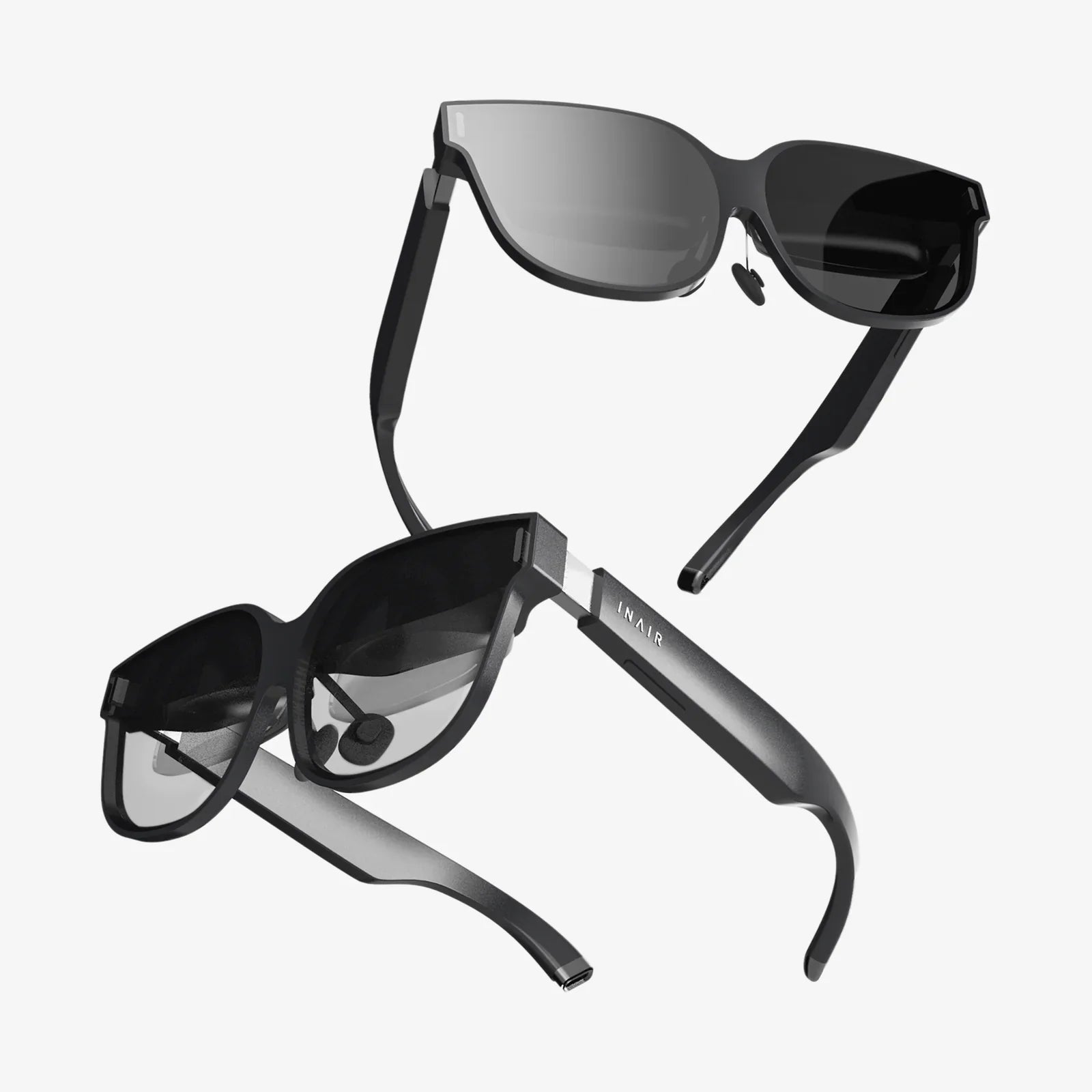
The virtual realm is evolving at a breakneck pace, and if you blink, you might just miss the next revolution. Staying on top of the latest VR headset news today isn't just about tracking specs; it's about glimpsing the future of how we will work, play, and connect. The landscape is shifting from niche enthusiast gadgetry to mainstream technological bedrock, and the developments this year are nothing short of transformative. This comprehensive analysis cuts through the noise to bring you the most critical updates, trends, and conversations defining the virtual reality industry right now.
The Hardware Horizon: Beyond the Spec Sheet
The most visible layer of VR headset news today revolves around the hardware itself. We are witnessing a dramatic bifurcation in the market, with companies pursuing two distinct but equally ambitious paths: the quest for ultimate fidelity and the drive for seamless accessibility.
On the high-end frontier, the buzz is all about clarity and immersion. Recent announcements and industry whispers point towards a new generation of devices featuring stunning micro-OLED displays. These panels offer unparalleled pixel density, effectively eliminating the "screen door effect" that has long plagued earlier headsets. The result is a visual experience described by early testers as "retina-quality" within a virtual environment, making text razor-sharp and virtual worlds breathtakingly real.
Furthermore, advanced pancake lenses are becoming the new standard for premium hardware. This optical technology allows for a much slimmer and lighter headset design without compromising on field of view or visual fidelity. This addresses one of the most significant user complaints: bulk and comfort. The marriage of micro-OLED and pancake optics represents the single greatest leap in visual quality the industry has seen in years.
The Invisible Revolution: Inside-Out Tracking and the AI Layer
While display technology grabs headlines, some of the most profound VR headset news today is happening under the hood. Inside-out tracking, where cameras on the headset itself map the environment and track controllers, has evolved from a convenient feature to a sophisticated spatial intelligence system.
Modern systems now employ high-resolution sensors and powerful on-board processors to perform simultaneous localization and mapping (SLAM) with incredible accuracy. This means your headset doesn't just know where it is; it understands the geometry of your room, the position of your furniture, and can even identify specific objects like keyboards and monitors. This data is now being used to fuel persistent augmented reality experiences, where digital objects can be placed in your physical space and remain there between sessions.
Perhaps the most exciting development is the integration of machine learning and artificial intelligence into this sensor suite. AI co-processors are beginning to handle tasks like advanced gesture recognition, allowing users to manipulate virtual interfaces with their bare hands with stunning precision. Real-time environmental analysis can now warn you if you're getting too close to a wall or if a pet has entered your play area. This layer of ambient intelligence is making VR headsets not just portals to other worlds, but context-aware companions in our own.
The Software Surge: Experiences That Justify the Hardware
A powerful headset is nothing without compelling software, and the VR headset news today on the content front is equally thrilling. The industry is moving decisively beyond short-form experiences and tech demos into the realm of full-fledged, AAA-quality software.
Major development studios, once hesitant to invest heavily in VR, are now greenlighting projects with budgets that rival their flat-screen counterparts. The result is a new wave of expansive role-playing games, intricate social simulations, and breathtaking narrative adventures that offer dozens, if not hundreds, of hours of gameplay. These are not ports or side projects; they are built from the ground up to exploit the unique capabilities of virtual reality, offering immersion and interactivity that is impossible on any other platform.
Beyond gaming, enterprise and productivity software is experiencing a parallel boom. Architects are walking clients through photorealistic virtual models of unbuilt homes. Medical students are practicing complex surgical procedures on virtual patients. Global teams are collaborating in shared virtual workspaces as if they were in the same room. The software ecosystem is finally maturing to a point where purchasing a headset for professional use is a demonstrably sound investment, not an experimental gamble.
The Platform Wars: Open Ecosystems Versus Walled Gardens
A critical piece of VR headset news today involves the strategic battle over the platform itself. The industry is grappling with a fundamental question: will the metaverse be an open, interoperable network of experiences, or a series of closed, proprietary gardens?
On one side, there are massive pushes from certain tech giants to create all-encompassing ecosystems. Their strategy involves tightly integrating hardware, software, social networks, and digital marketplaces, creating a powerful but closed loop that encourages users to stay within their branded universe. The convenience and seamless integration are undeniable value propositions for the average consumer.
Pushing against this are the proponents of an open metaverse. This camp, supported by various coalitions and independent developers, is working on standards that would allow your avatar, your digital clothing, and your virtual possessions to travel with you across different applications and platforms, regardless of the headset you own. Recent developments have seen significant progress in open-source initiatives and cross-platform SDKs, suggesting that the future may not be owned by any single corporation. This philosophical and commercial struggle is one of the most important to watch, as it will ultimately dictate the freedom and flexibility users have in the digital future.
The Social Fabric: Redefining Connection in a Virtual Space
It's impossible to discuss VR headset news today without highlighting the radical evolution of social interaction. Virtual reality is shedding its image as an isolating activity and emerging as one of the most potent tools for human connection ever devised.
Next-generation social platforms are leveraging new headset capabilities like eye-tracking and facial expression tracking to create profoundly empathetic digital interactions. Avatars are no longer static masks; they now blink, smile, frown, and convey subtle emotional cues based on the user's actual facial movements. This replication of non-verbal communication is the missing link that has prevented previous digital communication tools from feeling truly human.
People are using these spaces for everything from virtual weddings and family reunions to professional conferences and live concerts. The sense of "co-presence"—the genuine feeling of being in a room with another person—is overcoming physical distance in ways that video calls never could. This isn't just a new feature; it's a fundamental rewiring of social technology that promises to impact how we maintain relationships, build communities, and experience shared events.
The Ethical Frontier: Navigating the New Digital Wild West
With great power comes great responsibility, and the advanced capabilities of new hardware are generating urgent ethical VR headset news today. The industry is beginning a crucial dialogue about privacy, safety, and equity in immersive environments.
The extensive sensor data collected by modern headsets—detailed 3D maps of users' homes, recordings of their movements, and even biometric data like pupil dilation—represents an unprecedented privacy challenge. Questions about who owns this data, how it is stored, and what it can be used for are now at the forefront of regulatory discussions. Some manufacturers are pioneering a "local data processing" approach, where this sensitive information never leaves the device, setting a new standard for user privacy.
Furthermore, the potential for harassment and psychological harm in hyper-realistic virtual spaces is a serious concern. Developers are responding with innovative safety tools, such as personal space bubbles, instant muting, and AI-powered moderators that can detect and de-escalate toxic behavior. The industry is learning from the mistakes of the early internet and is proactively building consent and safety into the foundational layers of the metaverse, ensuring it evolves as an inclusive and respectful space for all.
The Road Ahead: What's Next on the Virtual Calendar
So, where does all this VR headset news today point for the future? The trajectory is clear: miniaturization. The endgame for many companies is a device that is as lightweight and unobtrusive as a pair of everyday glasses, while still delivering a high-fidelity visual and auditory experience.
Research into holographic optics, neural interfaces, and ultra-low-power displays is accelerating rapidly. Prototypes of these technologies are already functioning in labs, suggesting that the bulky headsets of today are merely a transitional stepping stone. The goal is to blend the digital and physical worlds so seamlessly that the technology itself fades into the background, allowing us to focus on the experiences and connections it enables.
The next twelve months promise to be the most consequential yet, with anticipated launches poised to redefine public perception and drive mass adoption. The conversation is shifting from "if" this technology will become mainstream to "how" it will reshape our lives once it does.
The virtual door is wide open, and the next wave of innovation is already crashing through. The developments you read about now are the foundation upon which the next decade of digital life will be built—making it the most exciting and essential time to be tuned in to the ever-evolving world of virtual reality.
Share:
Best AR Headset 2025: The Ultimate Guide to the Future on Your Face
VR Headset Set: Your Ultimate Portal to Virtual Worlds and How to Choose Yours