


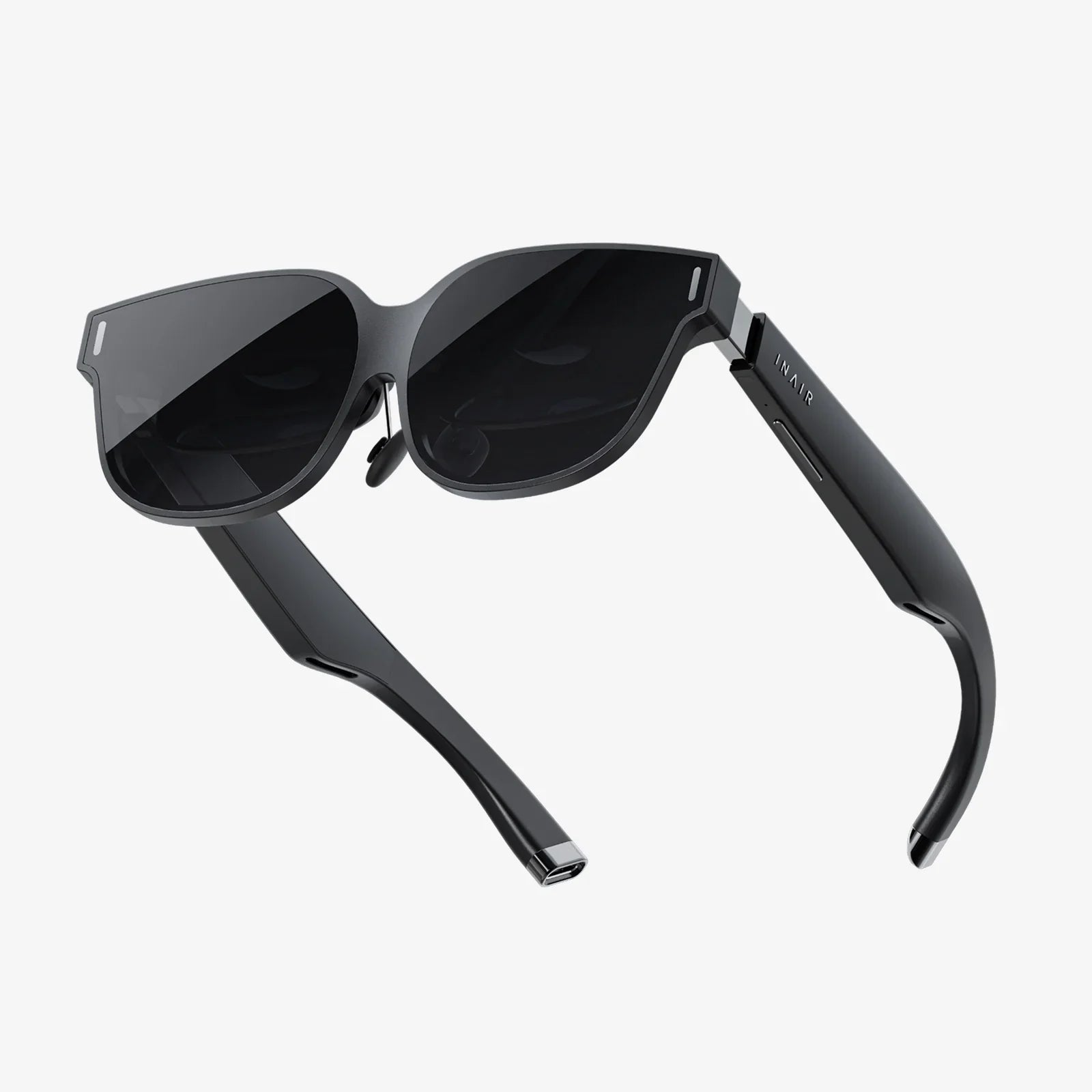
Imagine a device so seamlessly integrated into your daily flow that it moves with you, not as a burden in your bag, but as an active participant in your journey. This is the promise of the walking tablet, a concept rapidly evolving from a futuristic idea into a tangible tool for modern life. It represents a fundamental shift in how we interact with technology, breaking free from the static confines of desks and coffee shops to bring the full power of computing into the dynamic rhythm of our lives.
Defining the Walking Tablet: Beyond a Name
At its core, a walking tablet is not merely a smaller laptop or a larger smartphone. It is a distinct category of portable computing device engineered for active, on-the-move use. The term itself evokes its primary function: a tablet that is not just portable, but is designed to be effectively and comfortably used while walking, standing, or in transient environments. This demands a unique convergence of specific hardware and software features that prioritize accessibility, durability, and instant-on functionality over raw, desk-bound power.
The Pillars of Design: Built for Motion
The architecture of a true walking tablet is dictated by the ergonomics of mobility. Every component is chosen and positioned with motion in mind.
Form Factor and Ergonomics
Size and weight are paramount. The ideal device is lightweight enough to hold in one hand for extended periods without strain, yet large enough to provide a functional screen for real work. The bezel design often incorporates grips or textured surfaces to prevent accidental drops. A ruggedized, often rubberized exterior provides shock absorption for the inevitable bumps and jostles of mobile life. The balance is critical; it must feel substantial enough to be a serious tool but light enough to be a constant companion.
Display Technology: Readability in Any Light
A screen that washes out in sunlight is useless on a walk. Walking tablets prioritize high-brightness, anti-glare displays that remain crisp and clear even under direct sunlight. Many incorporate adaptive brightness technology that reacts instantly to changing light conditions, from a dim indoor hallway to a bright outdoor park. Touch sensitivity is also tuned for a different kind of interaction—more deliberate taps and swipes than the delicate gestures used on a stationary device.
Connectivity: The Lifeline
Constant, reliable internet access is the non-negotiable backbone of this device category. Integrated, high-speed cellular connectivity (like 5G) is almost a standard feature, eliminating the insecurity and drain of tethering to a smartphone. This ensures that cloud services, navigation, communication, and information retrieval are instantaneous and seamless, regardless of location. Robust Wi-Fi capabilities are a given, but it's the cellular independence that truly defines a device built for walking.
Battery Life: Endurance for the Long Haul
Battery anxiety is the enemy of mobility. Walking tablets are equipped with batteries designed for all-day endurance, far exceeding the typical usage cycle of a standard tablet. This isn't just about larger capacity; it's about extreme power efficiency at the component and software level, ensuring that the device can last through a full day of meetings, site visits, or creative excursions without needing a power outlet.
The Software That Thinks on Its Feet
Powerful hardware is useless without an operating system and applications designed for a mobile workflow.
Optimized Operating Systems
The software experience is streamlined for quick access and minimal friction. This often involves a simplified, widget-driven interface that surfaces key information—calendar appointments, messages, notes—at a glance. Voice assistant integration is deep and responsive, allowing for hands-free queries, dictation, and commands. The system prioritizes instant wake-from-sleep functionality; the device is ready to use the moment it's picked up, with no boot-up delays.
Application Ecosystem
The app landscape for a walking tablet is a blend of mobile and desktop. Lightweight, touch-first mobile apps are perfect for quick actions, but the device also supports more powerful, desktop-class applications for when deeper work is required. The key is cloud synchronization; applications are designed to save progress instantly and sync across devices, so a task started while walking can be finished seamlessly on a desktop computer later.
Real-World Applications: Who Truly Benefits?
The value of a walking tablet becomes clear in specific professional and personal scenarios.
The Mobile Professional
For inspectors, engineers, and facility managers, the device serves as a powerful field tool. They can review architectural plans on-site, update project management software in real-time, document issues with photos and voice notes, and instantly file reports without returning to a truck or trailer. It replaces clipboards, cameras, and notepads with a single, connected digital hub.
The Creative Nomad
Artists and writers can capture inspiration the moment it strikes. A walking tablet allows a photographer to review and lightly edit a shot in the field, or a writer to jot down ideas while walking through a park. It enables a seamless flow between experiencing the world and creating from it, untethered from the studio.
The Academic and Researcher
Students and researchers can move through libraries, labs, and campuses with their entire digital library at hand. They can annotate research papers, record lecture notes, collaborate on group projects in real-time, and access journal databases from anywhere, turning any space into a potential study nook.
The Urban Explorer and Navigator
For everyday use, the device excels as the ultimate navigation and exploration companion. Its larger screen provides a superior map view compared to a phone, and its always-on connectivity allows for real-time traffic updates, public transit schedules, and location-based discovery of points of interest, all without draining a primary phone's battery.
Challenges and Considerations
Despite its advantages, the walking tablet paradigm faces hurdles. The primary challenge is user adaptation. Using a device while walking requires a new level of situational awareness to avoid accidents. The market is also still defining itself, with consumers often unsure whether to prioritize a tablet, a laptop, or a large smartphone for their mobile needs. Furthermore, the focus on ultra-portability and connectivity can sometimes come at the expense of raw computing power or storage capacity, making it less suitable for intensive tasks like video editing or high-end gaming.
The Future of Mobile Computing
The trajectory of the walking tablet points toward even deeper integration into our lives. We can anticipate advancements in flexible and foldable display technology, creating devices that can shift form factors based on need. Augmented Reality (AR) interfaces will likely become a standard feature, overlaying digital information onto the physical world through the tablet's camera. Artificial Intelligence will evolve from a reactive assistant to a proactive partner, anticipating needs based on location, calendar, and activity. Battery technology will continue to improve, and we may see the integration of solar charging surfaces for near-infinite off-grid endurance. The distinction between device and environment will blur further, solidifying the walking tablet not as a gadget we carry, but as a lens through which we experience and interact with the world around us.
The true power of the walking tablet lies in its profound liberation of process and thought. It dismantles the old model where ideas were captured on a phone only to be later transferred to a 'real' computer for execution. It collapses that delay, merging the moment of inspiration with the capacity for action. This isn’t just about checking email on the go; it’s about holding a universe of potential in one hand, ready to shape reality itself from the middle of a bustling street, a quiet forest path, or anywhere your feet may take you. The future of work and creativity isn't chained to a desk—it's walking right beside you.
Share:
Augmented Reality Headset News Today 2025: The Year Reality Got an Upgrade
TV Sunglasses The Ultimate Guide to Personal Viewing on the Go