


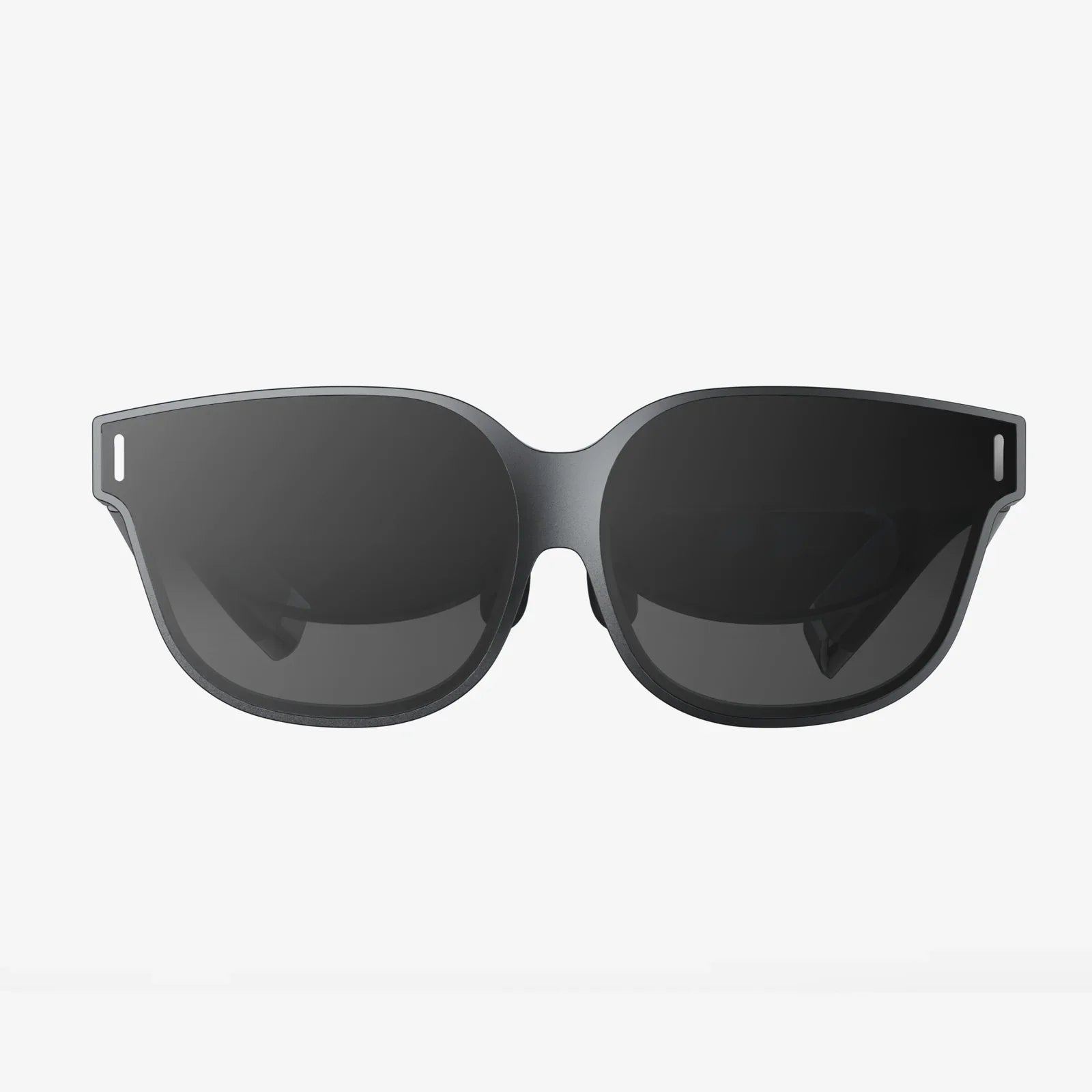
Imagine a world where your watch not only tells time but also warns you of an irregular heartbeat, where your glasses overlay digital information onto the physical world, and where a sleek ring tracks the quality of your sleep, all without you needing to glance at a screen. This is no longer the realm of science fiction; it is the present reality, powered by the relentless innovation in wearable gadgets. These devices are quietly weaving themselves into the fabric of our daily existence, moving from niche curiosities to indispensable tools that promise to revolutionize our health, redefine our productivity, and reshape human connection itself.
The Evolution From Novelty to Necessity
The journey of wearable technology is a fascinating tale of miniaturization and ambition. While the concept has existed for decades in various forms, the modern era truly began with the humble pedometer. These basic devices, focused solely on counting steps, introduced the masses to the idea of quantifying a sliver of their daily activity. They were the gateway drug to a much larger ecosystem of self-tracking.
The pivotal shift occurred with the convergence of several key technologies: ubiquitous smartphone connectivity, advanced low-power sensors, and sophisticated machine learning algorithms. This trifecta allowed wearables to break free from their single-function shackles. They evolved into powerful, connected computers worn on the body, capable of collecting, processing, and interpreting a vast array of biometric and environmental data. What was once a simple step count blossomed into a comprehensive dashboard of human metrics—heart rate, blood oxygen levels, sleep stages, stress indicators, and even electrodermal activity.
A Deep Dive into the Wearable Ecosystem
The term "wearable gadgets" encompasses a surprisingly diverse range of form factors, each designed for a specific purpose and user preference.
Wrist-Worn Powerhouses
The most recognizable category remains wrist-worn devices. These have matured into sophisticated health and communication hubs. They are the workhorses of the wearable world, offering a blend of convenience and capability. Modern versions feature advanced photoplethysmography (PPG) sensors for continuous heart rate monitoring, accelerometers and gyroscopes to detect specific workouts and even falls, and electrocardiogram (ECG) apps that can provide data similar to a single-lead ECG. They serve as a remote control for our digital lives, filtering notifications, allowing for contactless payments, and even unlocking smart doors.
Specialized Health Monitors
Beyond the wrist, a new class of medical-grade wearables is emerging. These devices are often focused on delivering clinical-level data for both consumers and healthcare providers. Continuous Glucose Monitors (CGMs), worn on the arm, provide real-time insights into blood sugar levels for diabetics, revolutionizing disease management. Smart patches can monitor vital signs for patients in remote clinical trials, transmitting data directly to researchers. These devices represent a crucial bridge between consumer wellness and professional healthcare, empowering individuals with unprecedented access to their own physiological data.
Hearables and Audio Augmentation
Earbuds have undergone their own transformation, earning the moniker "hearables." They are no longer just for music and calls. Advanced models now feature active noise cancellation to create pockets of tranquility in noisy environments, integrated fitness tracking, and even biometric sensors. The next frontier is augmented audio—using built-in microphones to amplify important sounds in your environment, like conversations or approaching vehicles, while filtering out background noise. This technology holds immense promise for those with hearing impairments, effectively acting as a discreet, AI-powered hearing aid.
The Dawn of Smart Apparel and Implants
The integration is becoming even more seamless with smart clothing—socks that analyze your running gait, shirts that monitor breathing and muscle activity, and shoes that track steps without a phone. Furthermore, the line between external and internal is blurring with implantable gadgets. While still in early stages, devices like implantable continuous health monitors could one day provide a constant, effortless stream of health data from within the body.
Revolutionizing Personal Health and Wellness
Perhaps the most profound impact of wearable gadgets is in the domain of health. They have democratized access to health information, shifting the paradigm from reactive care to proactive prevention.
The Power of Data-Driven Awareness
By providing continuous, longitudinal data, these devices paint a detailed picture of an individual's baseline health. This allows users to see the direct correlation between their lifestyle choices and their body's responses. They can learn how alcohol affects their sleep architecture, how caffeine influences their resting heart rate, or how a morning workout improves their stress levels throughout the day. This feedback loop fosters a new level of body literacy and motivates positive behavioral change.
From Fitness Tracking to Life Saving
The applications extend far beyond general wellness. Features like atrial fibrillation (AFib) detection through ECG apps have documented countless cases of users discovering serious, previously undiagnosed heart conditions. Fall detection algorithms, which can automatically call emergency services if a hard fall is detected followed by immobility, have provided a critical safety net for elderly users living alone. For individuals managing chronic conditions, wearables offer a way to track trends and share actionable data with their doctors, facilitating more informed telehealth consultations.
Enhancing Productivity and the Human Experience
While health is a primary driver, the influence of wearables extends into how we work, play, and interact with our environment.
Seamless Connectivity and Contextual Computing
Wearables act as a filter for the digital deluge. By delivering tailored notifications directly to the wrist or ear, they allow users to triage information without the constant, immersive distraction of a smartphone. A quick vibration can signal an important message, while irrelevant alerts can be ignored. This enables greater presence in the physical world. Furthermore, devices like smart glasses are pioneering contextual computing, where information is presented only when and where it is needed—displaying navigation arrows on the street or translating a menu text in real time through the lens.
Redefining Social and Sensory Interaction
These gadgets are also creating new forms of connection. Fitness challenges and shared activity rings foster a sense of community and friendly competition. Future devices could translate languages in real-time during conversation, breaking down barriers instantly. For those with sensory differences, wearables can translate environmental data into haptic feedback or other sensory outputs, helping them navigate the world in new ways.
Navigating the Challenges and the Road Ahead
Despite the immense promise, the path forward for wearable technology is not without significant hurdles that must be addressed.
The Privacy and Security Dilemma
The most pressing concern is data. Wearables collect the most intimate data possible—continuous biometric information about our bodies and behaviors. This creates a treasure trove for hackers and a potential target for commercial exploitation. Robust cybersecurity measures and transparent, user-centric data policies are not optional; they are the foundation of trust upon which this entire industry must be built. Users must have unequivocal control over who sees their data and how it is used.
Avoiding Digital Fatigue and Ensuring Equity
There is also a risk of quantification overload, where the constant tracking itself becomes a source of anxiety. The goal should be to use data for insight, not for instilling guilt or creating obsessive behaviors. Furthermore, as these technologies advance, ensuring they do not exacerbate health and social inequities is critical. High-cost, advanced health monitoring must not become a privilege only for the wealthy.
The Future is Integrated and Intelligent
The next generation of wearables will be less about the device itself and more about the ecosystem it enables. We are moving towards a future of truly ambient computing, where multiple, discreet wearables work in concert, powered by AI that doesn't just report data but offers truly personalized, predictive, and actionable insights. Imagine a system that notices subtle changes in your heart rate variability and sleep pattern, cross-references it with your calendar, and suggests you might be getting sick before you feel any symptoms, recommending rest.
The true power of wearable gadgets lies not in their silicon and sensors, but in their ability to make us more aware, more connected, and more in control of our own well-being. They are the bridge between our biological selves and the digital world, offering a glimpse into a future where technology doesn't demand our attention but quietly works in the background to enhance our human experience. The revolution is not on the horizon; it’s already on our wrists, in our ears, and woven into our clothing, and it’s just getting started.
Share:
AI Goggles Price: A Comprehensive Guide to Cost, Value, and the Future of Wearable AI
Adjustable Focus Spectacles: The Revolutionary Eyewear Changing Lives