


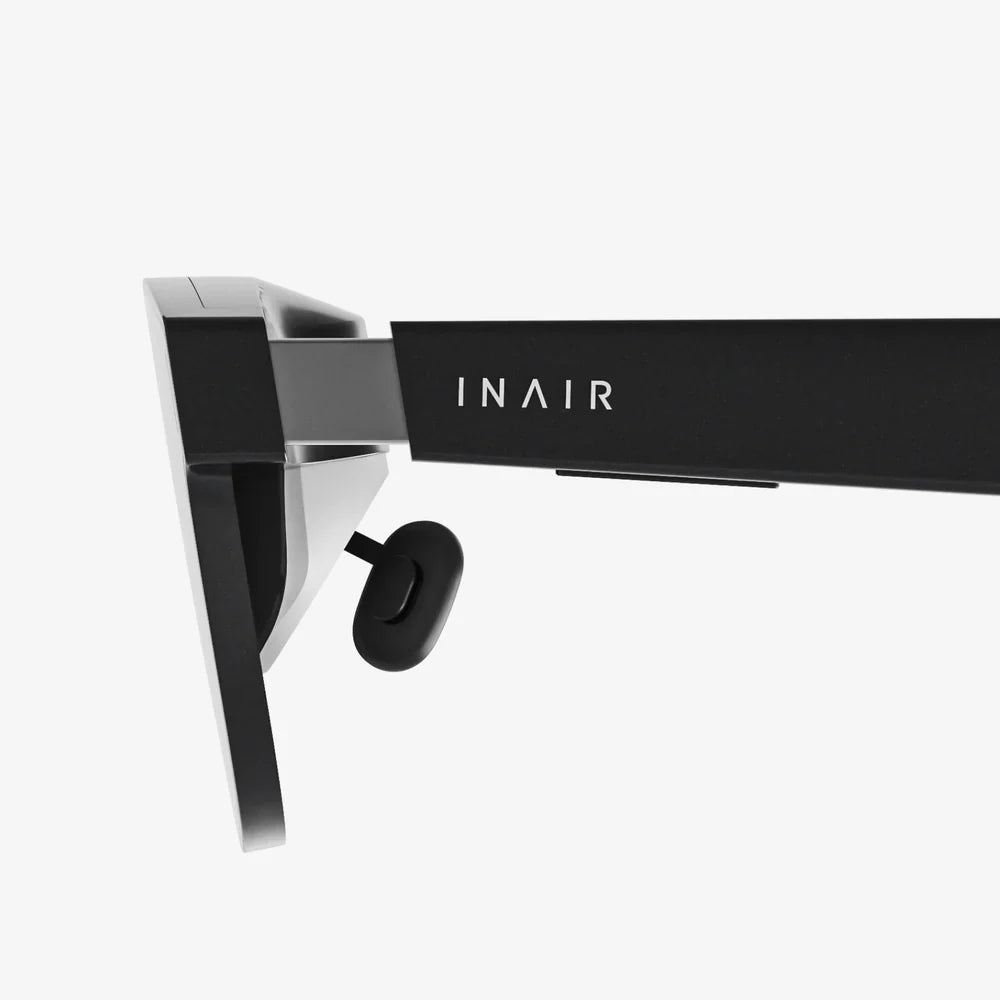
Imagine a world where your watch doesn't just tell time, but tells you about your health; where your glasses don't just correct your vision, but augment your reality; where your clothing doesn't just keep you warm, but keeps you connected. This is not a distant sci-fi fantasy—it is the unfolding reality, and it is being built on the foundational belief that wearable technology is the future. We are standing at the precipice of a revolution, one that will see technology seamlessly integrated into the very fabric of our daily existence, moving beyond our pockets and onto our bodies, transforming how we live, work, and understand ourselves.
The Evolution From Novelty to Necessity
The journey of wearable technology is a story of rapid maturation. Early iterations were often clunky, single-purpose devices with limited battery life and questionable aesthetics. They were curiosities, primarily for tech enthusiasts. The turning point came with the convergence of several critical technologies: miniaturized sensors, pervasive connectivity, powerful low-energy processors, and advanced data analytics. This convergence allowed wearables to shed their novelty status and become genuinely useful tools.
Today's devices are a far cry from their predecessors. They are sleek, powerful, and multifaceted. The modern wearable is a health clinic on your wrist, a personal assistant in your ear, and a window to digital information overlayed on the physical world. This evolution is following a predictable path of technological adoption, mirroring the rise of the smartphone. What begins as a luxury for early adopters gradually becomes a convenience for the mass market, and finally, an indispensable utility for everyone. We are now in the convenience phase, speeding towards indispensability.
The Quantified Self: A Health Revolution on the Wrist
Perhaps the most profound impact of wearable technology is in the realm of personal health and wellness. This has given rise to the "quantified self" movement—the practice of gathering data about one's own body and life to gain insights and make informed decisions.
- Continuous Health Monitoring: Unlike a annual check-up, wearables provide a continuous stream of physiological data. They track heart rate variability, resting heart rate, blood oxygen saturation (SpO2), skin temperature, and even electrocardiogram (ECG) readings. This constant monitoring creates a dynamic baseline of an individual's health, making it possible to detect anomalies early. An unusually high resting heart rate or a sudden drop in blood oxygen levels can serve as an early warning sign, prompting users to seek medical advice before a condition becomes critical.
- Preventative Healthcare: The future of medicine is shifting from treating illness to preventing it. Wearables are at the forefront of this shift. By analyzing activity levels, sleep patterns, and physiological markers, these devices can nudge users towards healthier behaviors. They encourage more movement, better sleep hygiene, and mindful breathing. This data-driven approach to wellness empowers individuals to take control of their health, potentially reducing the burden on healthcare systems by preventing chronic diseases like diabetes and hypertension.
- Remote Patient Monitoring: For patients with chronic conditions, wearables are a game-changer. Physicians can remotely monitor a patient's vital signs in real-time, allowing for timely interventions and reducing the need for frequent hospital visits. This is particularly transformative for elderly populations, enabling them to live independently for longer while providing peace of mind to their families and caregivers. The data collected can also provide invaluable insights for clinical research, leading to better treatments and a deeper understanding of disease progression.
Seamless Integration and the Augmented Human
The ultimate promise of wearable technology is seamless integration—technology that feels less like a tool and more like a natural extension of ourselves. The goal is to reduce friction between human intention and digital action.
- Ambient Computing: The future lies in ambient computing, where technology recedes into the background of our lives. Smart glasses and hearables are key to this vision. Instead of looking down at a screen, information will be presented in our peripheral vision or heard through our ears. We will control devices with subtle gestures, voice commands, or even thought (via emerging brain-computer interfaces). This creates a more intuitive and less intrusive digital experience, freeing us from the constant pull of our smartphones.
- Augmented Reality (AR) and Spatial Computing: Wearables are the gateway to the next computing platform: the spatial web. AR glasses will overlay digital information onto the physical world, transforming how we work, learn, and play. A mechanic could see repair instructions overlaid on an engine. A surgeon could see a patient's vitals and 3D scans during an operation. A tourist could see historical facts materialize before their eyes as they look at a monument. This blending of the digital and physical realms will create new forms of collaboration, entertainment, and education that are currently unimaginable.
- Contextual Awareness: Future wearables will be deeply context-aware. Using a combination of sensors, location data, and artificial intelligence, your device will understand your situation and anticipate your needs. It might automatically mute notifications during a meeting, suggest a route to avoid traffic as you leave work, or play a calming soundtrack when it detects elevated stress levels. This proactive, personalized assistance will make technology feel truly intelligent and responsive.
Transforming Industries and Workplaces
The impact of wearables extends far beyond the individual consumer; it is poised to revolutionize entire industries.
- Industrial and Field Work: In manufacturing, logistics, and field service, wearables are enhancing safety and efficiency. Smart glasses can provide warehouse workers with hands-free picking instructions, reducing errors and speeding up fulfillment. Wearable sensors can monitor workers' vital signs in extreme environments, alerting them and their supervisors to signs of heat stress or fatigue. Exoskeletons can reduce physical strain and prevent injuries for workers performing repetitive heavy lifting.
- Corporate Wellness and Productivity: Companies are increasingly adopting wearable technology as part of corporate wellness programs to improve employee health and reduce insurance costs. Furthermore, wearables are finding their way into the office to enhance productivity. They could facilitate seamless authentication, allowing employees to access buildings and log into computers without passwords. They could analyze communication patterns in meetings to provide feedback on collaboration and effectiveness.
Navigating the Challenges: The Road Ahead
For all its promise, the path forward for wearable technology is not without significant hurdles that must be addressed.
- Data Privacy and Security: Wearables collect the most intimate data possible—continuous biometric information about your body and your life. Who owns this data? How is it used? Could it be sold to third parties, such as insurers or employers, potentially leading to discrimination? Robust, clear, and transparent data governance frameworks are absolutely essential. Security is equally critical; a breach of this data would be catastrophic. Encryption and decentralized data storage models will be paramount.
- Battery Life and Power: The dream of seamless, always-on wearables is currently constrained by battery technology. Charging a device every night is a significant friction point. The future will depend on breakthroughs in battery energy density, ultra-low-power chipsets, and alternative power sources like energy harvesting from body heat, movement, or light.
- Design and Social Acceptance: For wearables to become truly ubiquitous, they must be desirable. This means moving beyond the "one size fits all" black rubber bracelet. The future will see a diversification of form factors—elegant jewelry, customizable fashion items, and truly invisible technology woven into textiles. Social acceptance of devices like smart glasses, which directly impact our appearance and interactions, is a cultural hurdle that will take time to overcome.
- Interoperability and Ecosystem Fragmentation: A truly seamless experience requires all our devices and software to work together harmoniously. Currently, the ecosystem is often fragmented, with devices and apps from different manufacturers struggling to communicate. The development of universal standards and open platforms will be crucial to realizing the full potential of a connected wearable future.
The trajectory is clear and unstoppable. We are moving towards a world where technology is not something we carry, but something we wear—a constant, intelligent, and supportive companion woven into the very fabric of our lives. It will make us healthier, more productive, and more connected to the world around us in profound new ways. The wristwatch was just the beginning; the future is on our skin, in our ears, and before our eyes, promising a smarter, safer, and more augmented human experience. The next time you glance at your wrist for the time, remember, you're not just checking the hour; you're catching a glimpse of the future.
Share:
Spatial Display: The Next Frontier in Human-Computer Interaction
Virtual Reality Goggles for iPhone 5: A Nostalgic Portal to the Future