


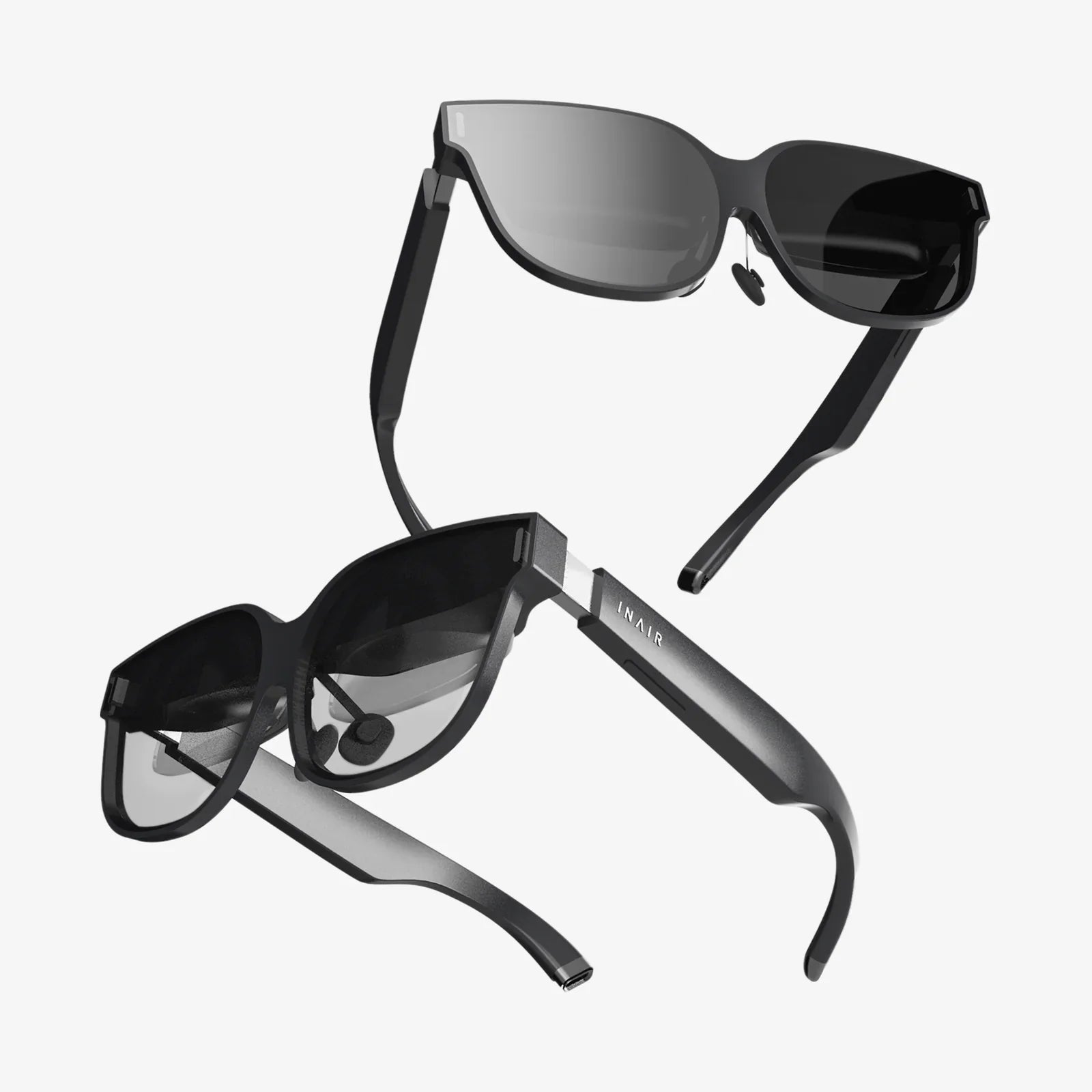
Your fitness tracker knows your heartbeat, your smartwatch holds your financial data, and your health monitor is a treasure trove of your most intimate biological information. This is the reality of modern life, a world where wearable technology has seamlessly integrated into our daily existence, promising unparalleled convenience and insights. Yet, beneath the sleek surfaces and glowing interfaces lies a landscape riddled with security vulnerabilities, a silent battleground where your most personal data is the prize. The very devices designed to empower and protect us could be opening a backdoor to our private lives, making an understanding of wearable technology security issues not just prudent, but essential for anyone who straps on a piece of connected tech.
The Expanding Universe of Wearables and Its Inherent Risks
The term "wearable technology" encompasses a vast and growing ecosystem of devices. From fitness trackers and smartwatches to advanced medical devices like continuous glucose monitors and smart hearing aids, these gadgets are defined by their constant proximity to the user. This intimate connection is their greatest strength and, paradoxically, their most significant security weakness. Unlike a smartphone that can be left on a table, a wearable is a persistent companion, collecting a continuous stream of data 24/7. This creates an attack surface that is always active, always on, and always collecting.
The data harvested by these devices is exceptionally sensitive. It goes far beyond the steps counted or notifications displayed. It includes:
- Biometric Data: Heart rate, heart rate variability, blood oxygen levels, sleep patterns, electrocardiogram (ECG) readings, body temperature, and even sweat composition.
- Location and Movement Data: GPS trails of your runs, walks, and daily commutes, which can reveal your home address, workplace, favorite spots, and daily routines.
- Personal and Financial Information: Stored payment details for contactless payments, text messages, emails, and calendar appointments synced from a paired smartphone.
- Health and Medical Information: Data from medical-grade wearables can include blood glucose levels, medication adherence, and specific symptoms related to chronic conditions.
In the wrong hands, this information is not merely a privacy nuisance; it is a tool for manipulation, blackmail, identity theft, and sophisticated phishing campaigns. For instance, knowing a person's precise sleep schedule or stress levels could inform the perfect time for a social engineering attack. The aggregation of this data paints a shockingly detailed digital portrait of a person, making its protection paramount.
Deconstructing the Threat Landscape: How Wearables Are Compromised
The security issues plaguing wearable technology are multifaceted, stemming from design choices, user behavior, and the complex web of connections these devices rely on. The vulnerabilities can be broadly categorized into several key areas.
Data Privacy and Ownership Concerns
A fundamental issue lies in the ambiguity of data ownership and the practices of the companies that collect it. When you use a wearable device, you typically generate the data, but the company providing the cloud service often claims broad rights to aggregate, analyze, and sometimes even sell anonymized versions of it. The concept of "anonymized data" is itself a misnomer; studies have repeatedly shown that it is remarkably easy to de-anonymize data sets by cross-referencing just a few data points, like location and time stamps.
Furthermore, privacy policies are often long, complex, and written in legalese, leading most users to click "Agree" without understanding what they are consenting to. This data can then be used for targeted advertising, sold to third-party data brokers, or potentially accessed by unauthorized parties through security breaches on the company's servers. The very business model of many free wearable services is predicated on the monetization of user data, creating a inherent conflict of interest between profitability and user privacy.
Network and Communication Vulnerabilities
Most wearables are not standalone devices; they are peripherals that rely on a constant connection to a smartphone or a Wi-Fi network via technologies like Bluetooth Low Energy (BLE), NFC, or Wi-Fi. Each of these connection points is a potential vector for attack.
- Bluetooth Exploits: BLE, while energy-efficient, has been shown to have vulnerabilities. Attackers within range can perform eavesdropping attacks, intercepting data as it travels between the wearable and its paired device. More sophisticated attacks, like man-in-the-middle attacks, where a malicious actor secretly relays and potentially alters the communication between two parties, are also a real threat. This could allow an attacker to inject false data or steal authentication tokens.
- Unsecured Wi-Fi Networks: When wearables connect directly to public Wi-Fi networks, they become susceptible to all the classic risks associated with unsecured hotspots. Malicious actors on the same network can easily snoop on unencrypted data traffic.
- Smartphone Dependency: The security of a wearable is often only as strong as the security of the smartphone it's paired with. If the host phone is compromised by malware, that malware can likely gain access to all the data flowing from the wearable to its companion application.
Physical and Device-Level Exploits
The physical nature of wearables presents unique risks. Their small size and portability make them easy to lose or steal. A lost device containing unencrypted data is a major security incident. Furthermore, many manufacturers, in a race to market, prioritize miniaturization and battery life over robust security. This can lead to:
- Lack of Encryption: Some cheaper devices may store or transmit data without proper encryption, meaning anyone with physical access or the ability to intercept signals can read it in plain text.
- Insufficient Authentication: Weak or non-existent user authentication methods on the device itself mean that anyone who picks it up can access its data and functions. While many smartphones now require a passcode or biometrics, many wearables remain unlocked by default.
- Outdated Software and the Patch Problem: Updating firmware on wearables can be a cumbersome process, often requiring a full sync with a smartphone app. Many users delay or ignore these updates, leaving known vulnerabilities unpatched for extended periods. For older devices, manufacturers may simply stop providing security updates altogether, rendering them permanently vulnerable.
Sensor Spoofing and Data Integrity Attacks
Perhaps the most insidious threat is the manipulation of the sensors themselves. Researchers have demonstrated the ability to spoof the data collected by wearables. For example, by using a simple laser pointer, it's possible to manipulate a smartwatch's optical heart rate sensor to produce a false reading. Similarly, motion sensors can be tricked by carefully crafted vibrations.
The implications are profound. If a wearable is used to inform medical decisions, such as automatic insulin dosing based on glucose readings, spoofed data could lead to life-threatening situations. In a corporate setting, if wearables are used to monitor employee wellness or safety, false data could be used to make fraudulent insurance claims or falsify compliance reports. This attack vector challenges the very foundation of trust we place in these devices: the accuracy of their data.
The Ripple Effect: Consequences Beyond the Individual
While the individual's privacy is the immediate victim of a wearable security breach, the ramifications can extend much further, creating systemic risks for corporations and even national infrastructure.
Corporate and Enterprise Threats
The trend of Bring Your Own Device (BYOD) has extended to wearables. Employees are bringing their smartwatches and fitness trackers into the workplace, often connecting them to corporate networks either directly or through their paired phones. This creates a significant blind spot for IT security teams. A compromised wearable can act as a foothold inside a corporate network, allowing attackers to move laterally and access sensitive company data.
Furthermore, companies that issue wearables to employees for safety monitoring, efficiency tracking, or wellness programs are creating massive new datasets that become high-value targets for cybercriminals. A breach could expose employee health information, location tracking within a facility, and proprietary operational data.
Medical Device Catastrophes
The stakes are highest in the medical field. Implantable and wearable medical devices, such as pacemakers, insulin pumps, and neuromodulators, are increasingly connected for remote monitoring and adjustment. The security of these devices is literally a matter of life and death. While no widespread attacks have been reported, security researchers have repeatedly demonstrated proof-of-concept exploits that could allow a malicious actor to deplete a battery, disable therapy, or even deliver fatal shocks. Securing these devices is not just a technical challenge but an ethical imperative for manufacturers and regulators.
Fortifying Your Digital Self: A Multi-Layered Defense Strategy
Addressing wearable technology security issues requires a concerted effort from manufacturers, regulators, and users. A proactive, defense-in-depth approach is necessary to mitigate these risks.
Steps for the Individual User
- Scrutinize Before You Buy: Research the security and privacy practices of a manufacturer before purchasing a device. Look for devices that offer end-to-end encryption for your data, both in transit and at rest.
- Practice Cyber Hygiene: Use strong, unique passwords for the associated accounts and enable two-factor authentication (2FA) if available. Always keep the device's firmware and the companion smartphone app updated to the latest version to ensure known vulnerabilities are patched.
- Minimize Data Sharing: Be selective about the permissions you grant to the wearable's app. Does a fitness tracker really need access to your contacts? Review app permissions regularly and disable any that are unnecessary. Turn off features like constant location tracking when they are not needed.
- Secure the Connection: Avoid pairing your wearable with your phone over public Bluetooth in crowded areas. Be wary of connecting the device itself to public Wi-Fi networks.
- Enable Device-Level Security: Use any available screen lock or authentication feature on the wearable itself, such as a PIN code or pattern lock.
The Imperative for Manufacturers and Policymakers
- Security by Design: Security cannot be an afterthought. It must be integrated into the product development lifecycle from the very beginning. This includes implementing strong encryption, secure boot processes, and regular, easy-to-install security updates for the entire supported lifespan of the product.
- Transparency and User Control: Companies must be transparent about what data they collect, how it is used, and who it is shared with. They should provide users with clear, easy-to-use controls to opt-out of data collection and sharing practices that are not essential to the device's core functionality.
- Stronger Regulations: Governments and international bodies need to establish and enforce robust cybersecurity standards for wearable technology, particularly for devices classified as medical equipment. Regulations should mandate minimum security requirements and hold companies accountable for protecting user data.
- Bug Bounty Programs: Manufacturers should actively encourage and reward security researchers for responsibly discl vulnerabilities through bug bounty programs, helping to identify and fix security flaws before they can be exploited maliciously.
The promise of wearable technology is undeniably transformative, offering a future where technology is more personal, responsive, and integrated into our well-being than ever before. However, this future can only be realized if we confront the security issues head-on. It requires a paradigm shift where we view these devices not just as gadgets, but as guardians of our most sensitive personal information. The responsibility is shared; manufacturers must build with integrity, regulators must enforce with rigor, and users must act with awareness. By demanding and implementing stronger security practices, we can ensure that the devices on our wrists and bodies are tools for empowerment, not instruments of vulnerability. The data they collect is the story of your life; it's time to make sure you're the only one holding the pen.
Share:
Audio Only Smart Glasses The Unseen Revolution in Personal Technology
Setting Up VR Goggles: Your Ultimate Guide to a Flawless Virtual Reality Experience