


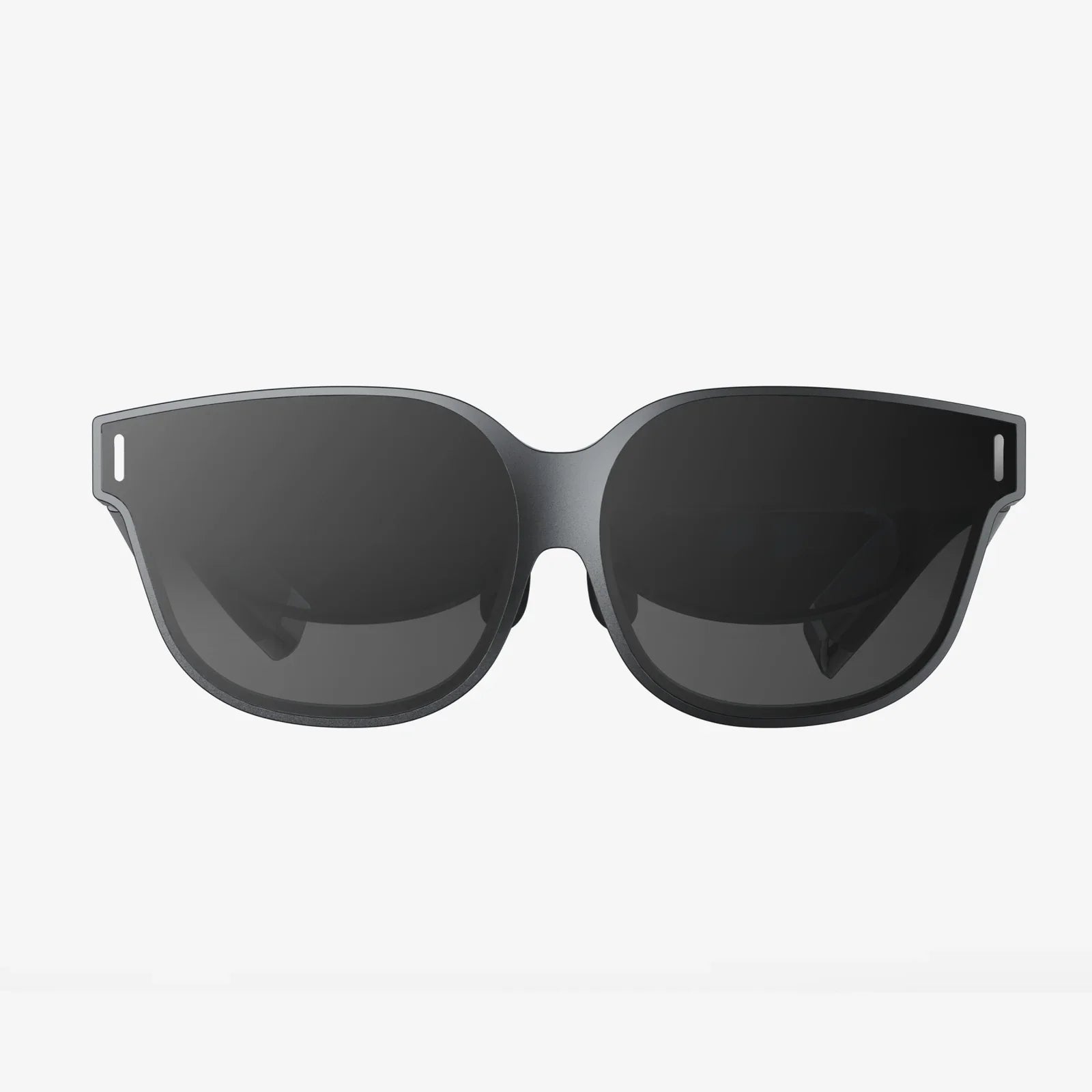
The glowing, otherworldly allure of a virtual reality headset is undeniable, captivating the imagination of children and adults alike with promises of fantastical journeys and unprecedented digital playgrounds. As a parent, you’re likely facing the inevitable question: "Can I try it?" followed quickly by the more pressing, internal query: "But should they?" The answer is more complex than a simple number, weaving together developmental psychology, ophthalmology, corporate policy, and practical parenting. Unpacking the question of the right age for virtual reality is the first crucial step in safely guiding your child through this new digital frontier.
The Official Stance: What Do the Manufacturers Say?
Before delving into the nuanced science, it's essential to understand the baseline: the official recommendations from the companies that create this technology. These are not arbitrary figures; they are legal and safety guidelines established after considerable internal research and risk assessment.
Most major headset manufacturers explicitly state that their products are not designed for young children. A common refrain in their safety manuals and terms of service is a warning against use by children under the age of 13. Some companies are even more conservative, advising that teenagers between 13 and 18 should only use the equipment under close adult supervision. These warnings are prominently displayed for a reason. They represent a significant liability concern and are based on a precautionary principle regarding the unknown long-term effects on developing visual systems and brains.
It is critical for any parent or guardian to seek out and read these official safety guidelines for any device they consider bringing into their home. Ignoring these warnings is not just a matter of breaking terms of service; it is a decision made without the full picture of the potential risks as understood by the very creators of the technology.
Beyond the Manual: The Science of Sight and Development
The manufacturer warnings are a starting point, but the real reasoning requires a deeper look into pediatric development. The primary concerns from a medical and scientific perspective revolve around two key areas: visual development and cognitive development.
The Immature Visual System
The human visual system is not fully developed at birth. It undergoes a critical period of development throughout early childhood, with key aspects like binocular vision (the ability of both eyes to work together to create a single, coherent image with depth perception) continuing to mature into the teenage years.
Virtual reality headsets work by presenting a unique, and somewhat unnatural, visual challenge. They show each eye a slightly different image on a single fixed-depth screen (located just inches from the eyes) to trick the brain into perceiving a 3D world. For a mature visual system, this is usually manageable, though it can cause eye strain and headaches. For a child whose brain is still learning how to align its eyes and focus correctly, this artificial setup could potentially interfere with normal development.
Experts in pediatric ophthalmology express concern that prolonged use of VR during this critical developmental window could contribute to issues like:
- Visual Confusion: The conflict between the eyes focusing on a fixed screen (vergence) while converging on a seemingly distant object (accommodation) could lead to problems in developing proper eye teaming skills.
- Myopia (Nearsightedness): While not definitively proven yet, there is a strong and growing concern that excessive "near work"—focusing on objects close to the face—contributes to the rising rates of childhood myopia. VR is the ultimate form of near work, and its impact is a significant area of ongoing research.
The lack of long-term, large-scale studies means the exact risks are not yet quantified, but the potential for harm is a primary driver behind the conservative age recommendations.
The Developing Brain
Beyond the eyes, a child's brain is a rapidly evolving landscape of neural connections. The immersive nature of VR presents unique challenges to a developing mind.
- Blurring of Reality: Young children, particularly those under the age of 7 or 8, are already in a stage where the line between fantasy and reality is naturally blurry. An intensely immersive VR experience could potentially exacerbate this, making it difficult for them to process and separate virtual experiences from real-life consequences. This can lead to anxiety, fear, or confusion.
- Sensory Integration: VR can create a sensory mismatch. Your eyes tell your brain you are running through a battlefield or flying through space, but your inner ear and body feel you are standing still. In adults, this can cause cybersickness (similar to motion sickness). In children, whose sensory systems are still learning to integrate information, the effects could be more pronounced or disruptive.
- Emotional Impact: Content that might be mildly startling to an adult can be deeply frightening and traumatic to a child in VR. The feeling of "presence"—the genuine sensation of being inside the digital world—is powerful and makes experiences feel real. A scary moment is not just watched; it is lived, which can have a lasting emotional impact.
A Spectrum of Readiness: It's More Than Just a Number
While the official line is "13+," parenting is rarely about hard-and-fast rules. A mature 10-year-old might handle a short, curated VR experience better than an impulsive 14-year-old. Therefore, age should be a guideline, not an absolute rule. Consider your child's individual temperament and maturity level.
- Can they understand and articulate the difference between a virtual experience and reality?
- Do they generally follow rules and time limits set for other screen-based activities?
- Are they prone to motion sickness, anxiety, or nightmares?
- Can they communicate effectively if they feel uncomfortable, dizzy, or scared?
These questions are often more important than the number on a birthday cake. A child who gets car sick easily will likely be very susceptible to cybersickness. A child who is easily frightened may not be ready for the intensity of VR, even in seemingly benign experiences.
Practical Strategies for Safe and Supervised Exploration
If you decide your child is mature enough to try VR, a proactive and supervised approach is non-negotiable. Here is a framework for safe exploration:
- Supervision is Mandatory: An adult must be physically present and engaged. Don’t just be in the room; watch what they are experiencing and talk to them about it. Use the headset's built-in display features to see what they see.
- Curate the Content Relentlessly: Not all VR experiences are created equal. A educational tour of the solar system is vastly different from an intense action game. Stick to age-appropriate, non-violent, and positive experiences. Pre-view content whenever possible.
- Enforce Strict Time Limits: This is not a medium for marathon sessions. Start with very short bursts of 5 to 10 minutes. Even for older teens, sessions should generally be limited to 30 minutes at a time, followed by a significant break. This helps mitigate eye strain, cybersickness, and mental fatigue.
- Create a Safe Physical Space: Ensure the play area is clear of obstacles, tripping hazards, and fragile objects. Use stationary guardian/boundary systems and make sure they are properly configured.
- Prioritize Comfort: Ensure the headset is adjusted correctly for a smaller head. A poorly fitting headset can be uncomfortable and increase the risk of visual issues.
- Educate and Communicate: Teach your child to immediately tell you if they feel any discomfort—dizziness, nausea, eye strain, headache, or anxiety. Make it clear that stopping immediately is always an option without any judgment.
The Potential for Positive Impact
Amidst the cautions, it's also worth acknowledging the incredible potential VR holds for education and enrichment. When used appropriately, it can be a powerful tool:
- Immersive Learning: Imagine walking through ancient Rome, dissecting a virtual frog, or standing at the edge of an active volcano. VR can make educational concepts tangible and unforgettable.
- Skill Development: Certain applications can aid in developing spatial reasoning, problem-solving skills, and even social skills in controlled, multi-user environments.
- Empathy and Perspective: Experiences that allow users to "step into someone else's shoes," such as seeing the world from the perspective of a refugee or someone with a disability, can foster profound empathy and understanding.
- Therapeutic Uses: VR is already being used in clinical settings to help treat phobias (like a fear of heights), provide physical therapy exercises in engaging environments, and manage pain.
The key is to view the technology not as a toy, but as a powerful tool—one that requires respect, understanding, and careful management.
Looking to the Future
The landscape of virtual reality is evolving at a breakneck pace. As the technology improves—with higher resolutions, better ergonomics, and more advanced eye-tracking—some of the current concerns may lessen. Future headsets may be better adapted for younger users, and a growing body of research will provide clearer, evidence-based guidelines for safe usage across different age groups.
For now, the approach must be one of cautious and informed prudence. The recommended age is a vital signpost, but the final decision rests on a foundation of understanding the risks, knowing your child, and committing to active, involved supervision.
The world inside the headset is designed to feel limitless, but your role as a parent is to build the necessary guardrails, ensuring that your child's first forays into virtual reality are not only magical but, more importantly, safe, healthy, and positive. The journey into this new digital realm is one you should take together, with eyes wide open to both its wonders and its warnings, ready to guide them back to the equally important real world waiting just outside the visor.
Share:
Wireless AR Headset: The Unseen Revolution Reshaping Our Reality
VR Headset Age Appropriate Guidelines Every Parent Must Know